Bourbon has a rich history that is as uniquely American as the spirit itself. Its roots stretch back to the late 18th century, when settlers in Kentucky and Tennessee began experimenting with native corn to produce a whiskey that was distinctly different from the rye-based spirits of the Northeast. This experimentation, driven by the availability of corn and the region's fertile soil, laid the groundwork for what would become America's native spirit.
The early pioneers, many of whom were of Scots-Irish descent, brought with them distillation knowledge from the Old World. But it was the New World’s resources that shaped bourbon into what it is today. The charred oak barrels, the limestone-filtered water, and the high corn content combined to create a spirit that was not only smooth and flavorful but also distinctly American. Over time, bourbon became synonymous with the frontier spirit of innovation and resilience.
The Legal Definition: Bourbon’s Identity Crisis and Triumph
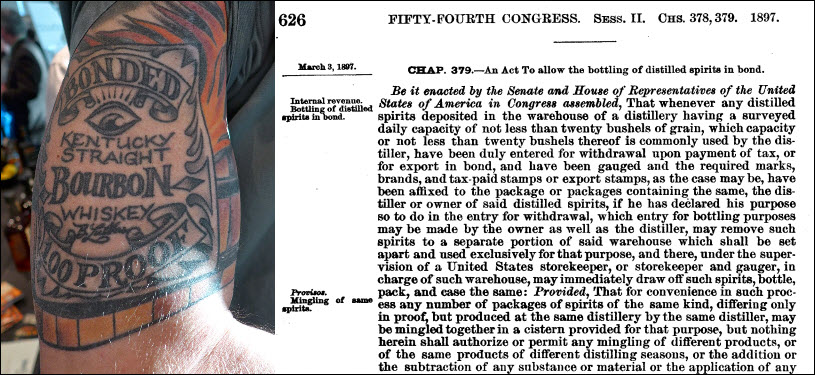
In the 19th century, bourbon's popularity grew, but so did the confusion over what exactly qualified as bourbon. With no clear regulations, distillers often produced inconsistent and sometimes inferior products, leading to a decline in the spirit's reputation. This identity crisis persisted until 1897, when the Bottled-in-Bond Act was passed. This legislation was a pivotal moment for bourbon, establishing strict guidelines for production and quality, ensuring that only spirits meeting these standards could be labeled as bourbon.
This act was the first consumer protection law in the United States, underscoring bourbon's importance to the American public. It required bourbon to be aged for at least four years and bottled at 100 proof, guaranteeing a level of quality that helped restore consumer confidence. This legal framework not only preserved the integrity of bourbon but also set it apart from other whiskies, cementing its identity as a distinctly American product.
The Rise, Fall, and Revival: Bourbon’s Rollercoaster 20th Century
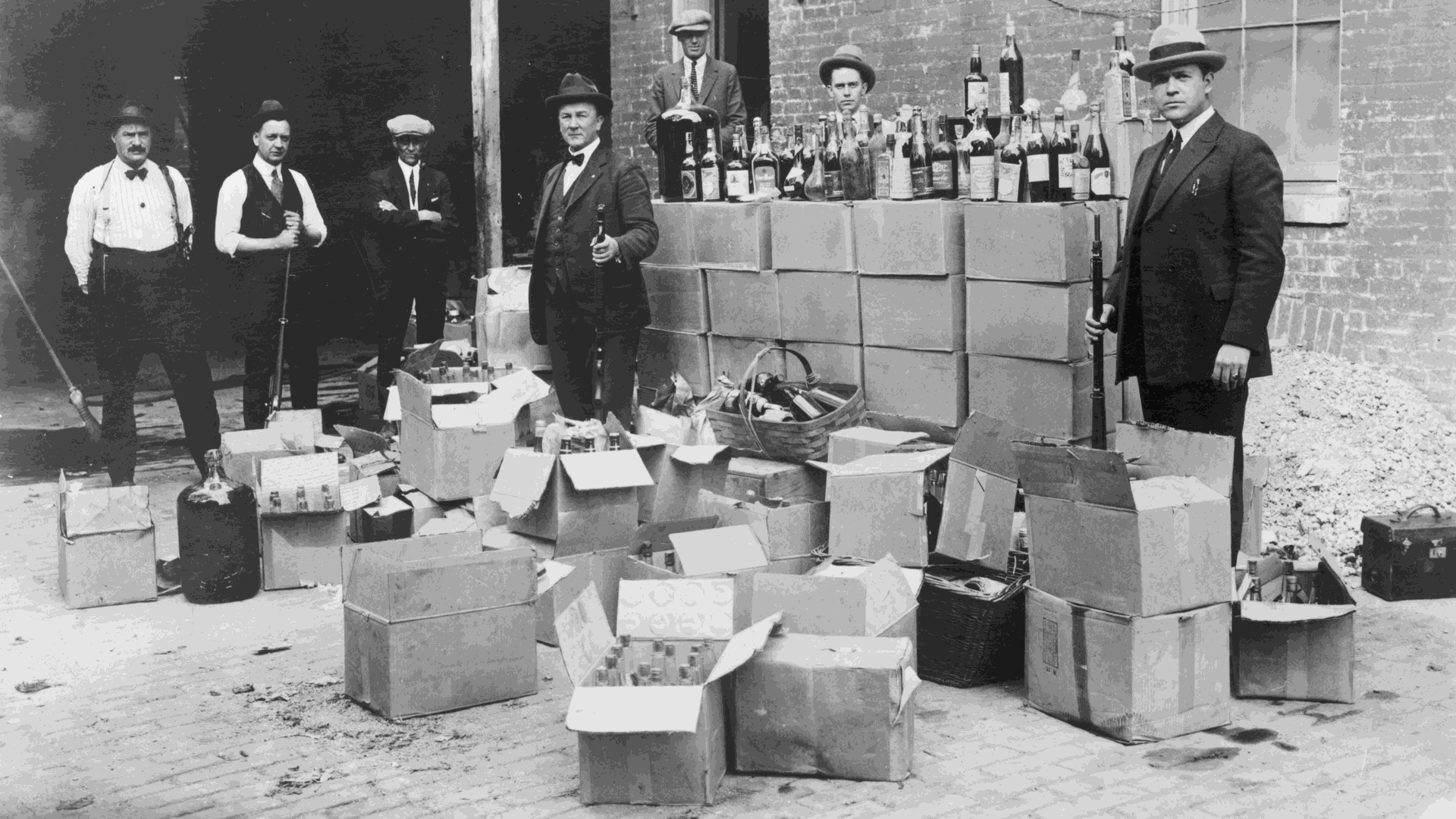
The 20th century was a turbulent time for bourbon, marked by dramatic highs and lows. The early 1900s saw bourbon thriving, with many distilleries operating at full capacity. However, this golden age was abruptly halted by Prohibition in 1920. The nationwide ban on alcohol nearly destroyed the bourbon industry, with only a handful of distilleries managing to survive by producing medicinal whiskey.
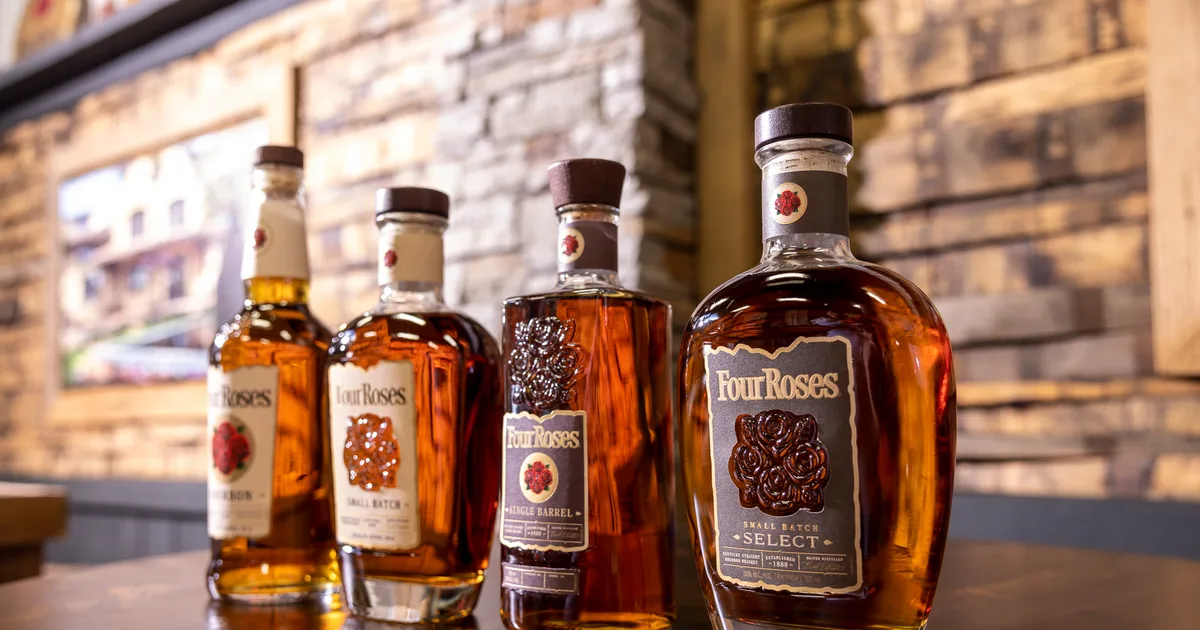
Even after Prohibition was repealed in 1933, bourbon faced an uphill battle. The rise of clear spirits like vodka and gin in the mid-20th century pushed bourbon into the shadows, relegating it to a drink for the older generation. But bourbon’s story was far from over. In the late 20th century, a resurgence in interest in craft and heritage products sparked a bourbon revival. Small-batch and single-barrel bourbons began to appear, showcasing the depth and complexity of the spirit and attracting a new generation of enthusiasts.
Modern Bourbon: Innovation Meets Tradition
Today, bourbon is in the midst of a renaissance, balancing tradition with innovation. The craft distillery boom has brought new players into the market, each experimenting with different mash bills, aging techniques, and barrel finishes. However, the essence of bourbon remains rooted in the traditions that have defined it for centuries.
Many distilleries continue to use the same methods and recipes that their ancestors did, preserving the heritage while also pushing the boundaries of what bourbon can be. Whether it’s experimenting with non-traditional grains, aging bourbon in unique barrels, or creating new flavor profiles, modern distillers are expanding the possibilities of what bourbon can be, all while paying homage to the legacy that has made it America’s favorite spirit.
Bourbon’s Cultural Impact: Beyond the Glass
Bourbon's influence extends far beyond the glass, playing a significant role in American culture. From the Southern tradition of bourbon cocktails like the Mint Julep to its association with jazz and blues clubs in the 20th century, bourbon has woven itself into the fabric of American life. Today, it’s not just a drink but a symbol of craftsmanship, heritage, and the American spirit of perseverance.
Bourbon tourism is now a thriving industry, with the Kentucky Bourbon Trail attracting visitors from around the world. Distilleries offer tours, tastings, and a glimpse into the history and process of bourbon-making, turning bourbon into not just a drink, but an experience.
The Future of Bourbon: What’s Next?
As we look to the future, bourbon's journey is far from over. The current trend of innovation suggests that we will continue to see new expressions and styles emerging, appealing to both seasoned enthusiasts and newcomers alike. Yet, even as it evolves, bourbon will likely maintain its status as a symbol of American craftsmanship, rooted in tradition yet always looking forward.
Bourbon’s story is one of resilience and reinvention. From its humble beginnings on the American frontier to its current status as a globally recognized spirit, bourbon has continuously adapted to the times while staying true to its roots. As it continues to evolve, one thing is certain: bourbon will remain an integral part of America’s cultural and culinary heritage, beloved by generations to come.
Related Products
- Wyoming Whisky: Not technically a Bourbon, this product is relevant as it represents the ongoing legacy of American whiskey, which ties directly into the article's focus on the evolution and resilience of bourbon as America’s spirit.